
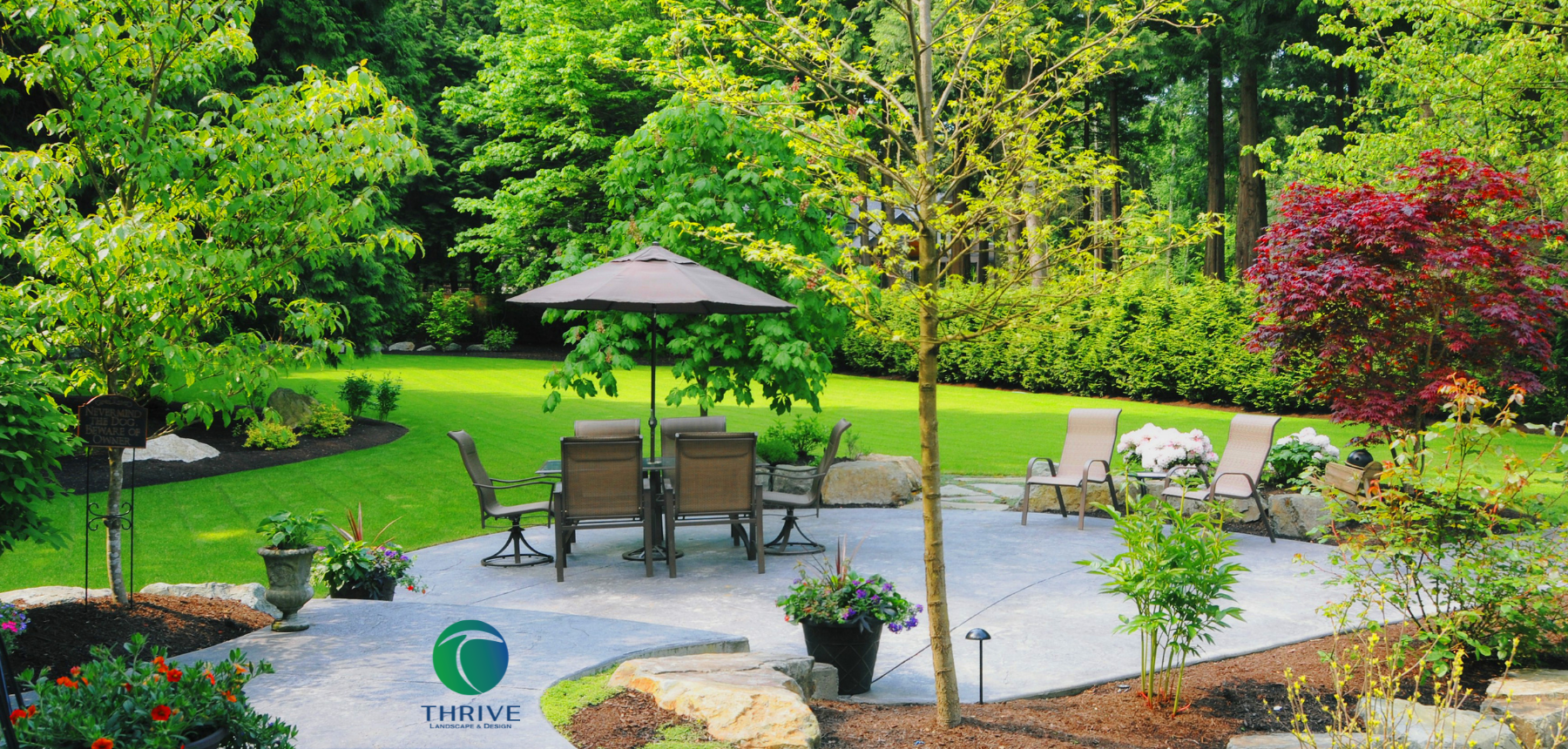
Understanding the Professional Landscape Design Process
The professional landscape design process gives homeowners and property owners a clear roadmap for transforming outdoor spaces with fewer surprises along the way. Rather than jumping straight into construction, a structured design approach allows every detail to be planned with purpose, from layout and materials to budget and timeline. This upfront planning helps avoid costly changes mid-project and leads to outdoor spaces that function better, look better, and last longer.
Whether you are planning a backyard renovation, a new outdoor living area, or a complete property transformation, understanding what to expect from a landscape designer can make the entire experience smoother and more rewarding, especially if you are also thinking about how a landscape designer can enhance your home’s curb appeal.
Why a Structured Landscape Design Process Matters
A successful landscape project rarely happens by accident. Without a clear plan, projects are more likely to run into issues such as drainage problems, layout inefficiencies, or mismatched materials. A professional landscape design process aligns vision, functionality, and construction reality.
By addressing challenges early in the landscape design planning phase, designers can identify potential conflicts before they become expensive fixes, and this level of planning can also increase your home value by improving your home’s landscape. This approach also gives homeowners confidence, knowing their investment is guided by experience, technical knowledge, and thoughtful planning rather than guesswork.
The Initial Landscape Design Consultation and Site Analysis
Every successful project begins with a detailed landscape design consultation. This first step is focused on listening, learning, and evaluating the property as it exists today.
During this phase, designers take time to understand the client’s goals, lifestyle needs, and long-term plans for the space. A family that loves entertaining may need defined gathering areas, while someone focused on low-maintenance living may prioritize durable materials and efficient planting.
Site analysis is equally important. Designers evaluate drainage patterns, sun and shade exposure, soil conditions, existing plants, and structural elements on the property. These factors directly influence design decisions and help prevent problems such as water pooling, plant failure, or uncomfortable outdoor spaces. This early groundwork sets the tone for all the steps in a landscape design project that follow.
The Conceptual Design Phase
Once the consultation and site analysis are complete, the project moves into the conceptual design phase. This is where ideas begin to take shape.
Designers develop layout concepts that organize the outdoor space into functional zones. These layouts focus on flow, usability, and how people will actually move through and enjoy the space. Walkways, patios, planting areas, and focal points are intentionally placed rather than added randomly.
At this stage, the goal is not the final details but the overall structure. Conceptual designs help clients visualize how their property can be transformed and provide a foundation for refining the plan.
Design Development and Material Selection
Design development is where the vision becomes more defined. Building on the approved concept, designers begin finalizing materials, plant selections, and architectural elements.
This phase often includes choosing hardscape materials, lighting styles, plant palettes, and key features such as fire pits, pergolas, or water elements. Attention is paid to how each component works visually and functionally together.
Many professionals also use 3D renderings or detailed visuals during this stage. These tools help clients better understand scale, proportions, and overall appearance before construction begins. Seeing the design come to life early makes decision-making easier and reduces uncertainty.
Final Design Plans and Construction Documentation
Once design development is approved, the project moves into final design plans and construction documentation. These detailed drawings serve as the blueprint for accurately building the project.
Final plans may include planting layouts, lighting diagrams, drainage solutions, and construction details. Clear documentation allows for precise pricing, realistic scheduling, and consistent execution during construction.
This step is critical for avoiding miscommunication. Everyone involved works from the same set of plans, which helps ensure the finished project matches the approved design.
Budgeting, Scheduling, and Pre-Construction Planning
Before any work begins on site, budgeting and scheduling are finalized. A professional landscape design process connects design decisions directly to cost expectations.
With detailed plans in place, designers can provide accurate estimates and realistic timelines. This transparency helps clients understand where their investment is going and what the landscape design timeline will look like from start to finish.
Pre-construction planning also addresses logistics, such as material ordering, site access, and work sequencing. Taking care of these details in advance reduces delays and makes the build phase smoother.
Implementation and Construction Overview
With planning complete, the project moves into implementation. While every project is unique, construction typically follows a logical sequence.
Work may begin with demolition or site preparation, followed by hardscape installation such as patios, walkways, and retaining features. Once structural elements are in place, planting, lighting, and finishing details are added.
The process concludes with a final walkthrough to ensure the project meets expectations and aligns with the approved design. This step allows for adjustments and provides an opportunity to review maintenance needs moving forward.
The Benefits of a Design-Build Approach
A design-build approach offers significant advantages throughout the professional landscape design process. With one team handling both design and construction, communication is more streamlined, and accountability is clear.
Designers and builders work collaboratively from the start, which reduces the risk of design intent being lost during construction. Changes can be addressed more efficiently, and timelines are easier to manage.
For homeowners, this approach often results in a smoother experience, fewer surprises, and a finished landscape that closely reflects the original vision. In regions like Texas, where climate and soil conditions require careful planning, having an integrated team can make a noticeable difference in long-term performance and satisfaction.
What to Expect From a Landscape Designer
Understanding what to expect from a landscape designer helps set realistic expectations and builds trust in the process. A professional designer guides clients through each phase, explains decisions clearly, and advocates for solutions that balance beauty, function, and durability.
By following a proven process, designers help clients feel informed rather than overwhelmed. The result is not just a finished landscape, but a well-planned outdoor environment designed to be enjoyed for years to come.